
2025 International Conference on Geology, Energy and Oil and Gas Exploration
2025年地质、能源与油气勘探国际学术会议(GEOGE 2025)
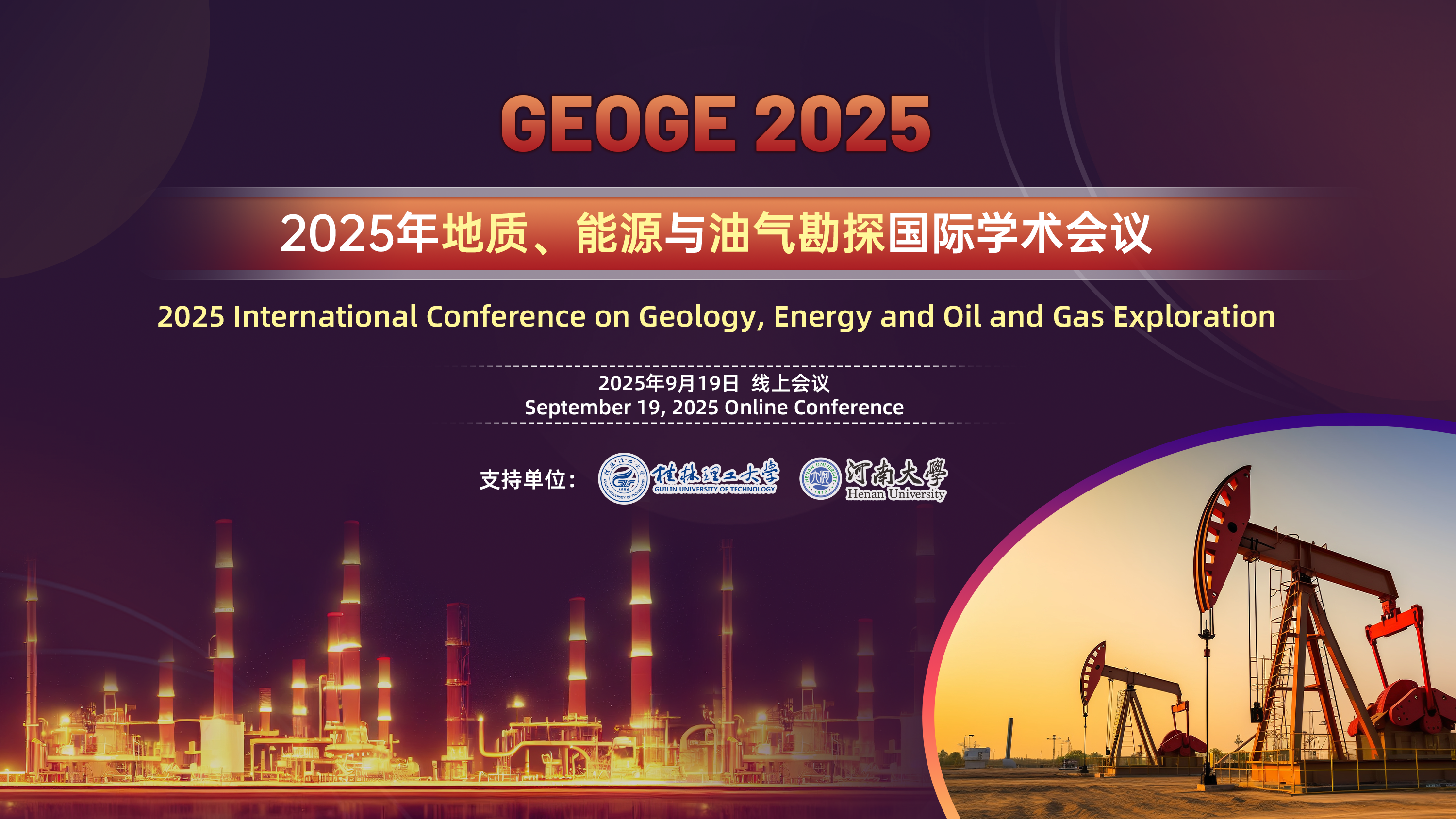
2025 International Conference on Geology, Energy and Oil and Gas Exploration (GEOGE 2025) successfully concluded online on the afternoon of September 19. The conference commenced promptly at 2:00 PM, bringing together experts and scholars from across the globe. Through its agenda featuring an opening ceremony, a virtual group photo, keynote presentations, and oral sessions, the event facilitated a rich and forward-looking academic exchange. The proceedings drew to a close at approximately 4:00 PM.
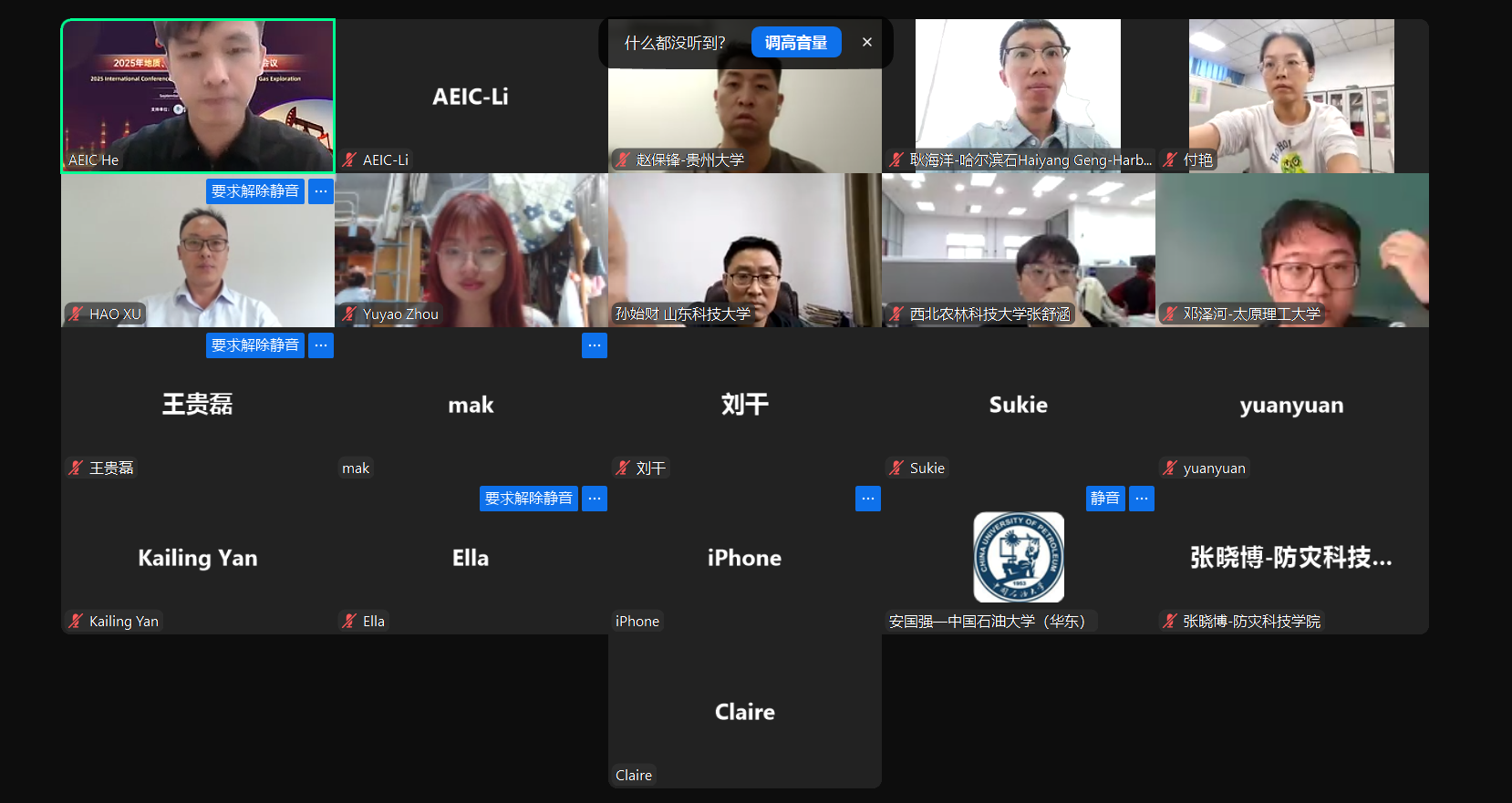
Group Photo
The conference featured two pivotal keynote presentations that captured significant attention.
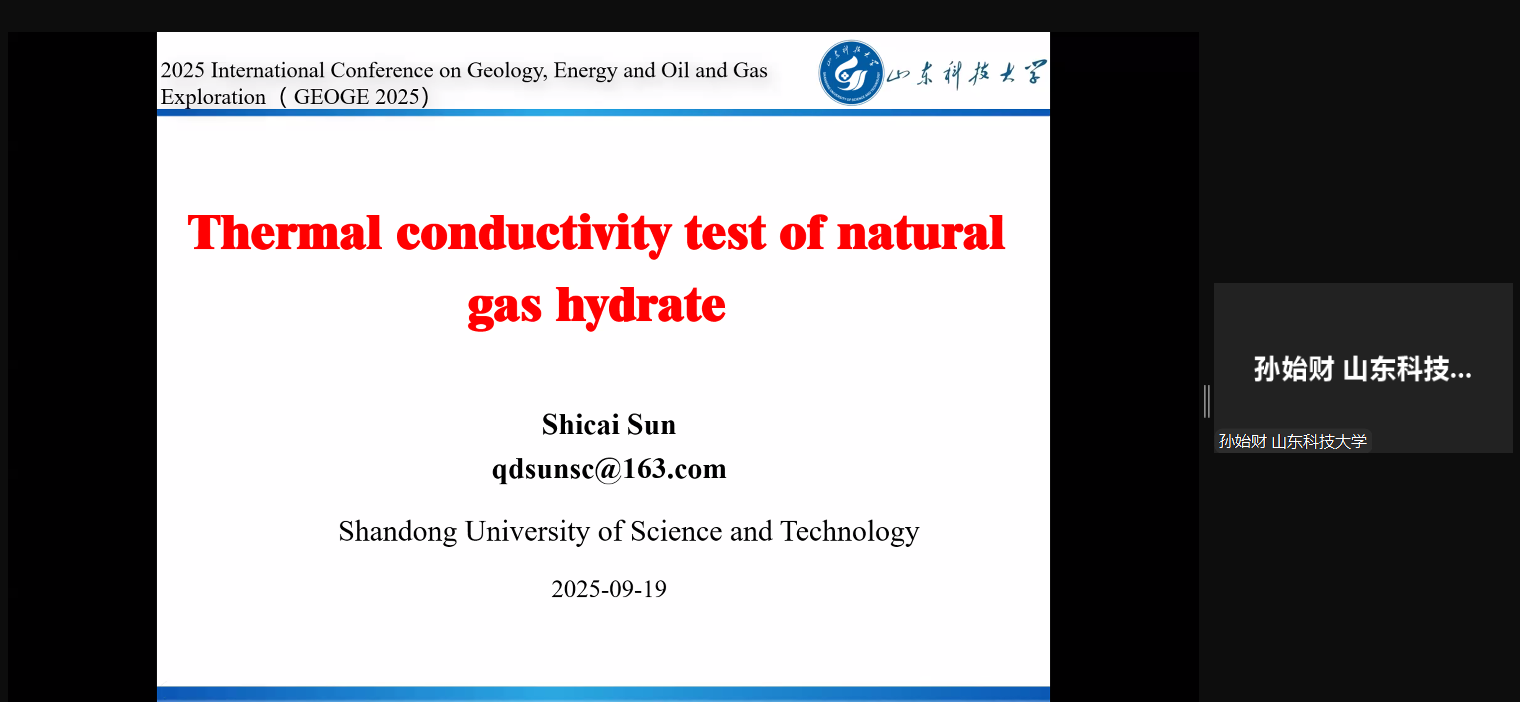
Prof. Shicai Sun, Shandong University of Science and Technology
Speech Title: Thermal conductivity test of natural gas hydrate
Firstly, Professor Sun Shicai from Shandong University of Science and Technology presented his latest breakthroughs in "Thermal conductivity test of natural gas hydrate," providing critical theoretical insights for the efficient development of this future clean energy resource.
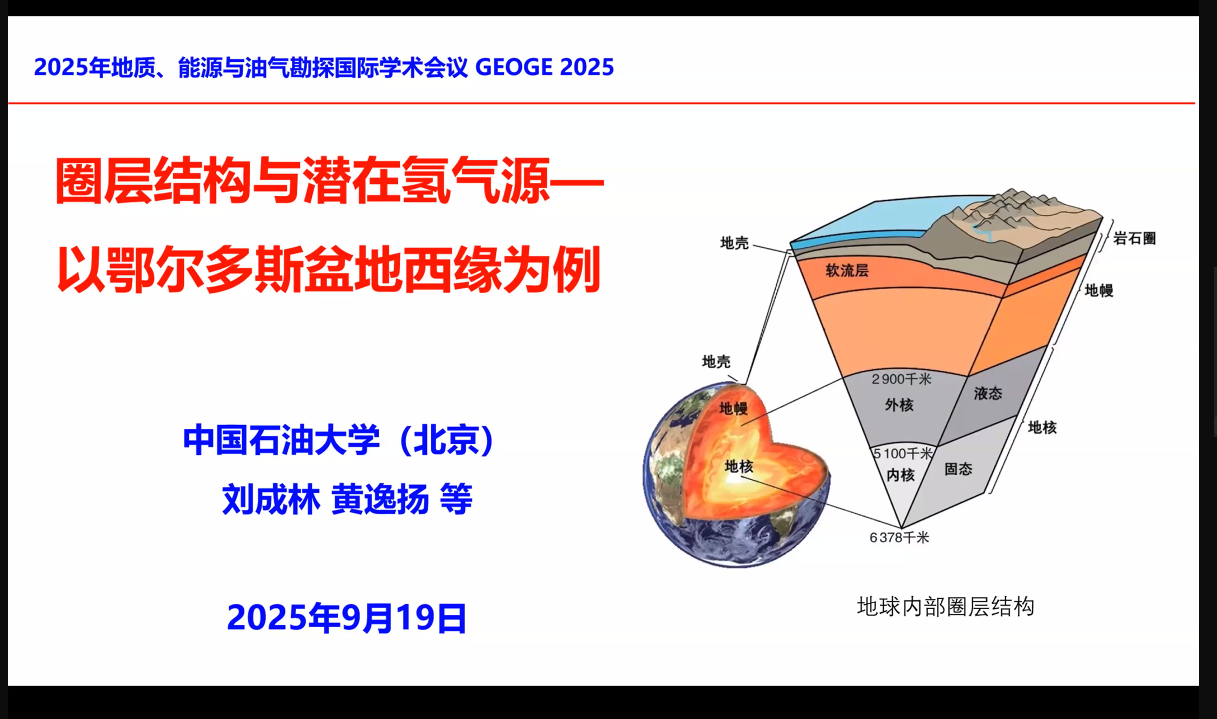
Prof.Chenglin Liu, China University of Petroleum (Beijing)
Speech Title: Spherical structure and prospective hydrogen sources-taking the western margin of the Ordos Basin as an example
Subsequently, Professor Liu Chenglin from China University of Petroleum (Beijing) delivered a presentation titled "Spherical structure and prospective hydrogen sources-taking the western margin of the Ordos Basin as an example." He provided an in-depth analysis of the relationship between geological structures and the accumulation of hydrogen, an emerging clean energy source, pointing towards new directions for hydrogen exploration.
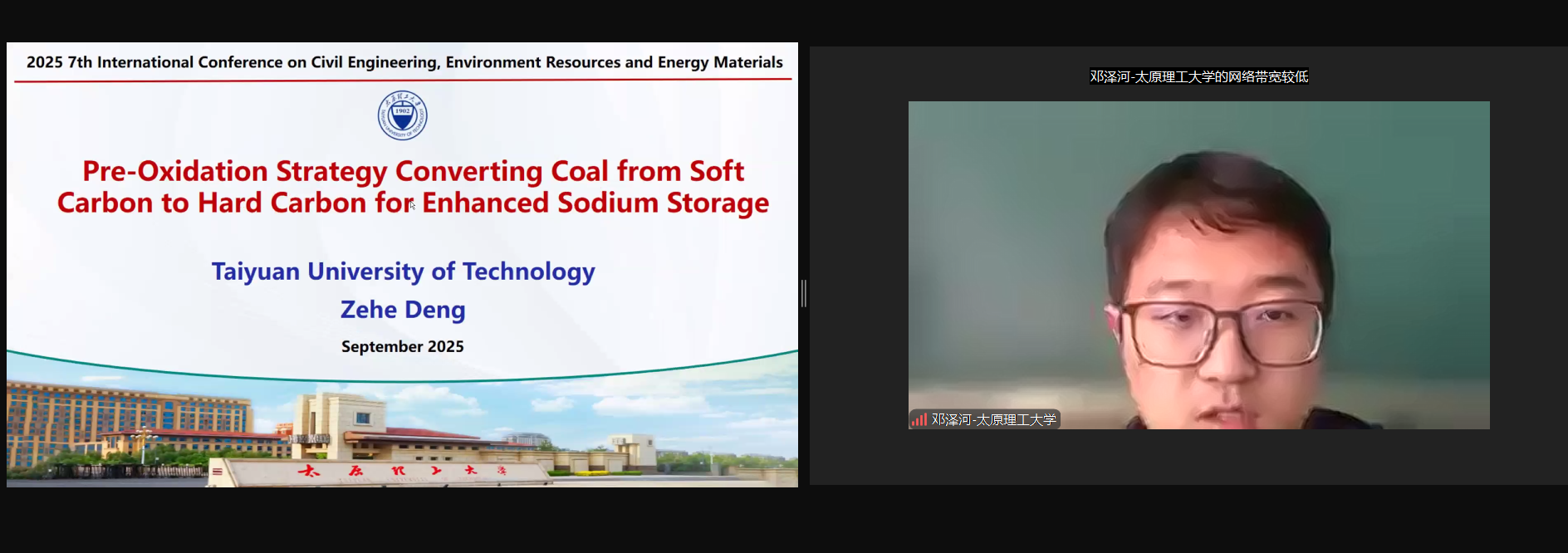
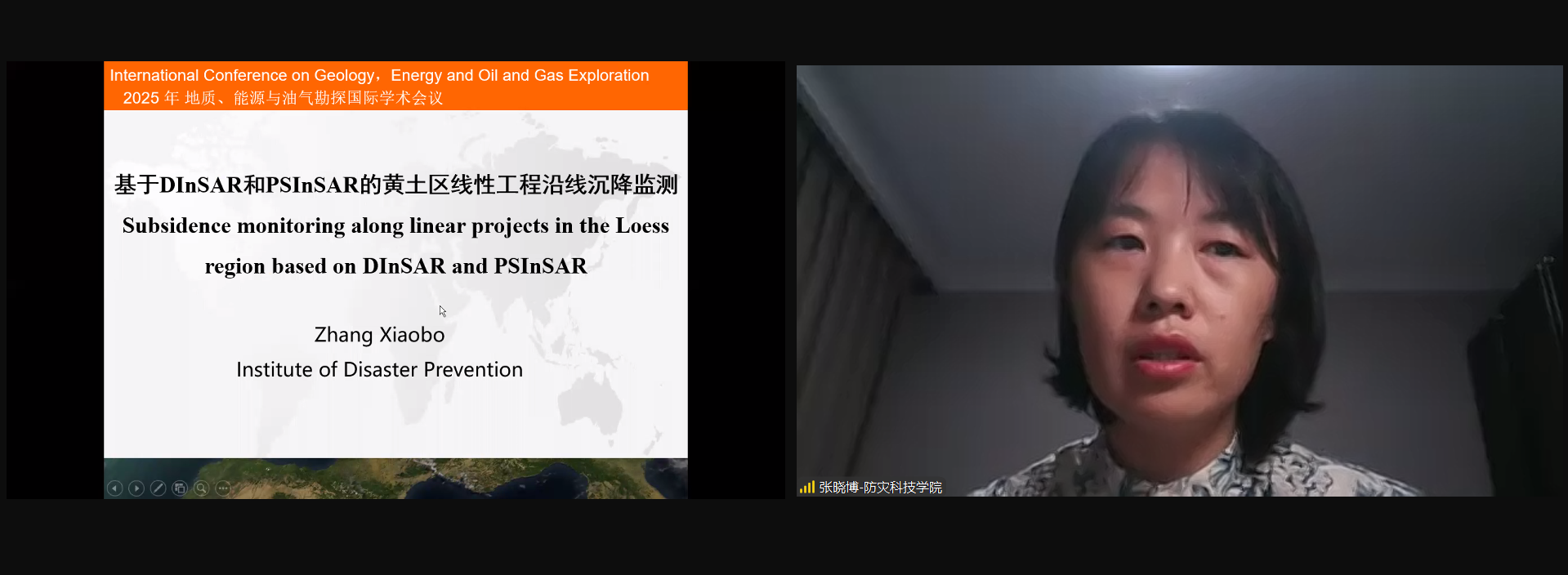
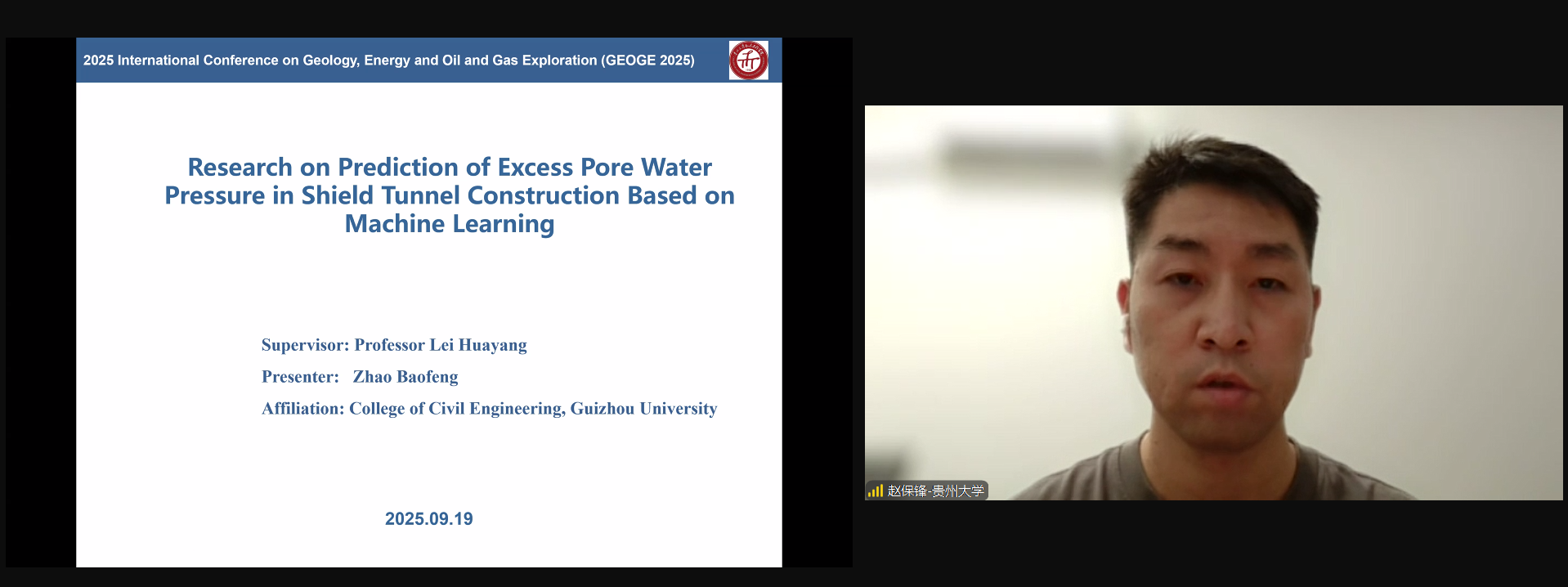
The oral presentation session that followed showcased cutting-edge research from several promising young scholars. This session covered a wide spectrum of topics, including characterization of coal resources, the application of artificial intelligence in geological engineering, innovation in advanced energy materials, and remote sensing monitoring technologies. Presenters delved into specific subjects such as the mineral composition of coal in specific regions of Xinjiang, machine learning for predicting risks in shield construction, the enhancement of sodium storage performance in coal-derived hard carbon materials, and ground settlement monitoring along linear engineering projects in loess areas using advanced radar interferometry techniques. These presentations highlighted the immense potential of interdisciplinary approaches in addressing complex challenges within geology and energy.
The conference maintained a tight schedule and fostered a dynamic exchange of ideas. Despite the online format, the vitality of academic discourse remained undiminished, with participants actively engaging in Q&A and sharing research insights. The successful convening of GEOGE 2025 not only provided a high-level platform for global researchers in the field of geological energy but also collectively showcased the technological frontiers, ranging from traditional oil and gas to emerging hydrogen energy, and from fundamental geology to intelligent prediction. The conference has contributed valuable wisdom and solutions toward driving technological innovation and sustainable development in the field.